Start with simple checks. Do not change several settings at once: this makes it harder to identify what actually affected dispensing.
Beer and carbon dioxide supply
No beer flows from the tap
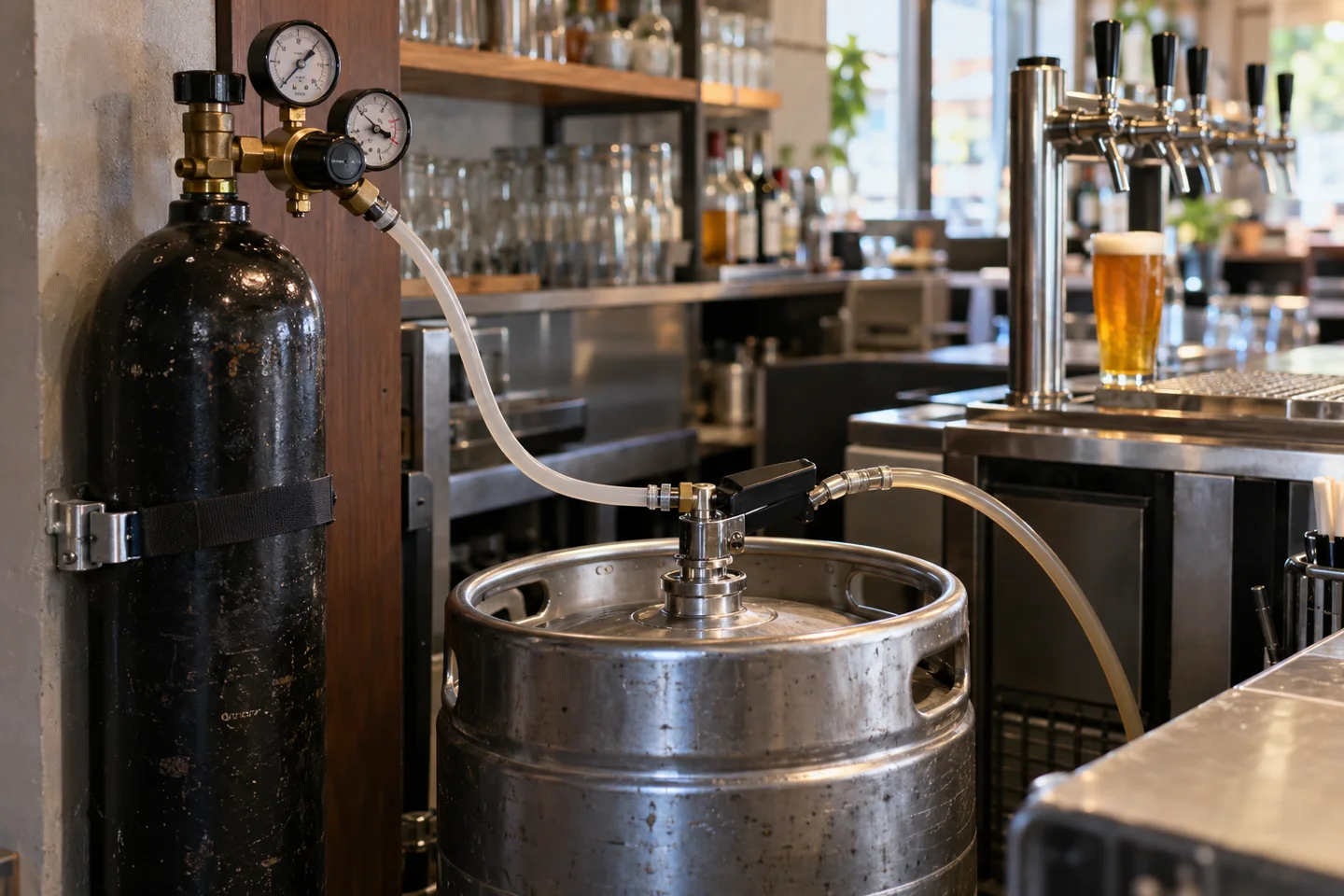
Check that the keg contains beer, the cylinder contains CO₂, the gas supply is open and the keg coupler is fitted correctly. If the tap has a flow compensator, make sure it is not closed.
Inspect the hoses: a kink or pinch can obstruct flow. Excessive cooling may freeze beer in parts of the line. Resolve the blockage together with the cause of overcooling.
Beer flows slowly or intermittently
Possible causes include insufficient gas supply, an incorrectly adjusted flow compensator, a kinked hose or dirty equipment. If the problem began after a keg change, check the coupler connection first.
Working pressure is set with the regulator. The setting depends on beer temperature, brewery recommendations and system design. Do not increase pressure without checking other possible causes.
Too much foam in the glass
Check cooling first. A keg that is not sufficiently chilled, or beer warming between the cooler and tap, can cause excessive foaming.
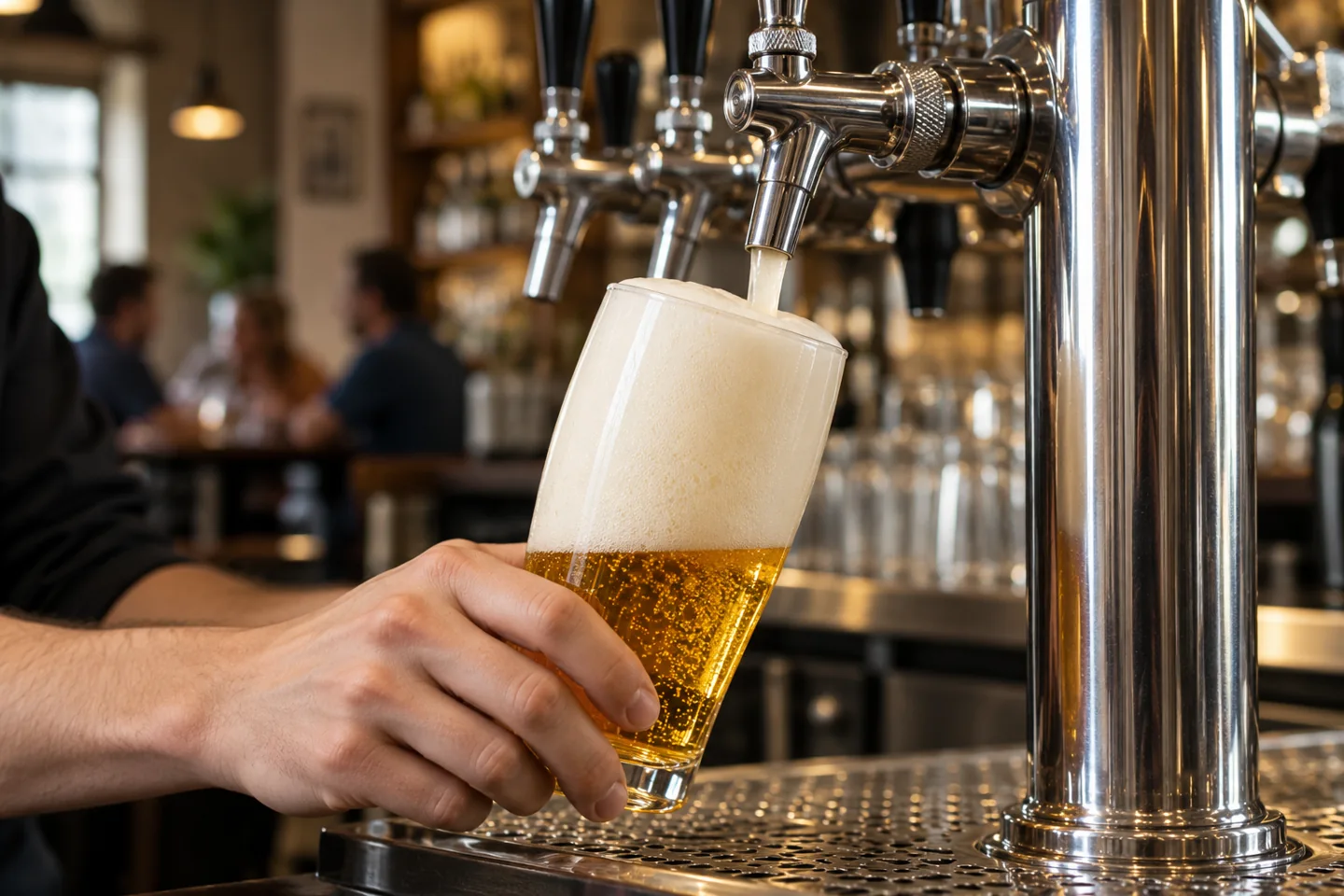
Also check pressure settings, hose condition and the cleanliness of the tap, coupler and beer line. Both excessive and insufficient pressure can cause foam. There is no universal setting for every beer and installation.
Too little foam or a head that collapses quickly
Check glass cleanliness. Grease and detergent residues affect foam formation and stability. Try the same beer in another properly washed and rinsed glass.
Beer temperature or lost carbonation may also be responsible. Consider the beer style: the amount of foam alone does not determine beer quality.
Beer has become cloudy or changed flavour
Cloudiness is normal for some styles. If a familiar beer changes noticeably, check its shelf life, keg storage conditions and the condition of the beer line.
Overcooling and freezing can change beer appearance. Dirty equipment can affect taste and smell. Do not sell beer showing unusual characteristics until the cause has been established.
CO₂ runs out faster than usual
Start by checking gas connections for leaks, especially after a cylinder change. Use a leak-detection product or soapy solution: growing bubbles indicate a leak. Never use a flame for this check.
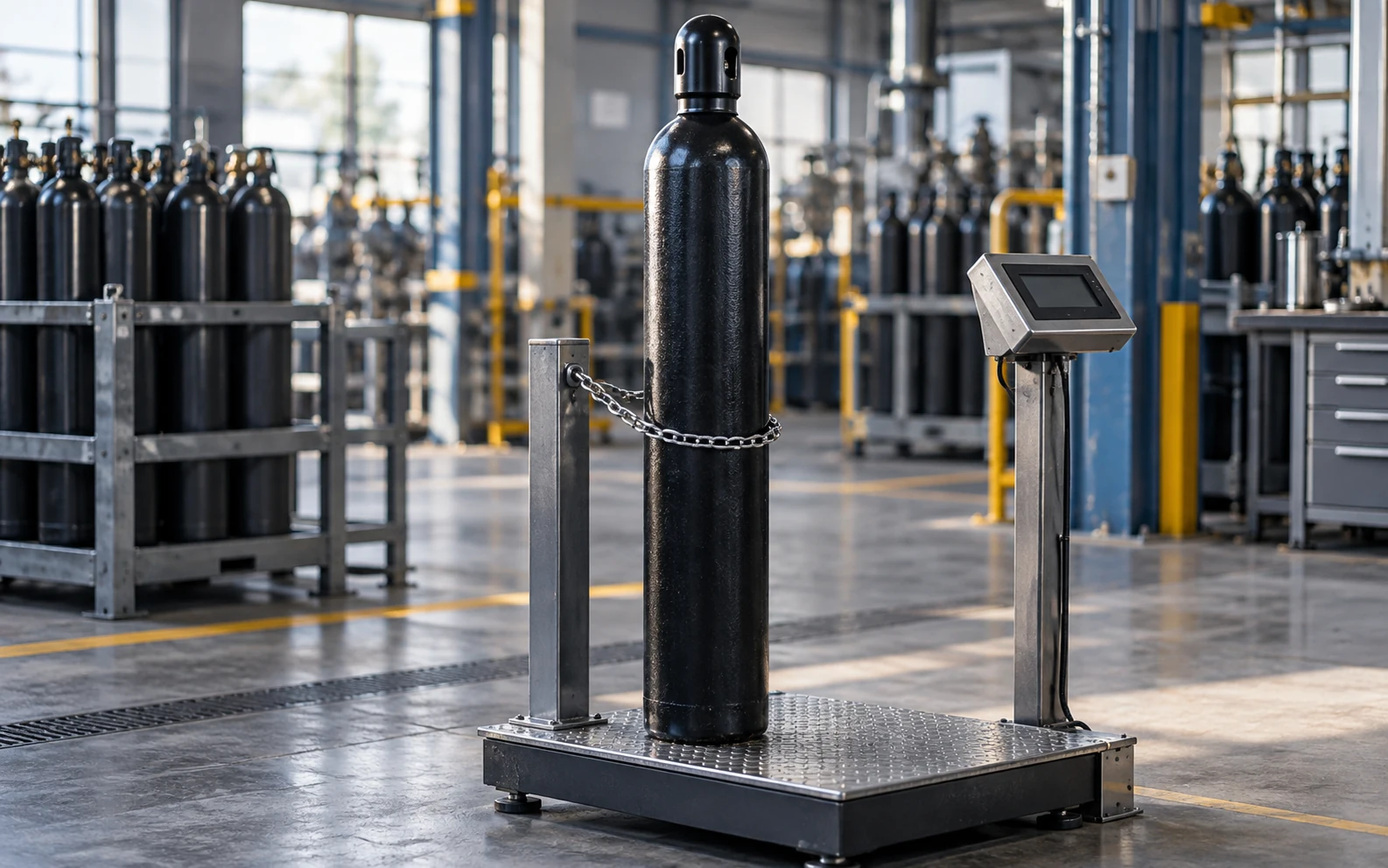
Check the CO₂ fill by weight: subtract the empty cylinder weight from its total weight. A pressure gauge alone cannot establish the remaining CO₂. When comparing consumption, account for sales volume and changes in equipment use.

Cooling and the dispensing tower
Beer is not cold enough at the tap
Possible causes include a warm keg, insufficient cooler capacity, poor ventilation or a cooling fault. During busy periods, the equipment may not keep up with the required cooling demand.
Check the settings and make sure air can reach the ventilation openings freely. Clearances from walls and other equipment must follow the instructions for your model.
The cooler does not start
Make sure the unit is connected, the cable and plug show no visible damage and the circuit breaker has not tripped. If the supply is working, leave further diagnosis to a technician.
Stop using the unit if the cable is damaged, there is a burning smell or the breaker trips repeatedly. Do not dismantle equipment while it is powered.
The cooler runs continuously
Extended operation can occur during initial cooling, in high room temperatures or under heavy demand.
If the equipment cannot reach the set temperature or overcools the drink, the ventilation, condenser, thermostat and refrigeration circuit need checking.
The equipment overheats or makes unusual noises
Possible causes include a dirty condenser, insufficient airflow or a faulty fan or other component. Excessive heat accompanied by poor cooling, grinding or knocking is a reason to stop the equipment and call a technician.

Condensation forms on the tower
Droplets form when moisture in the air condenses on a cold surface. This is normal for some cooled towers.
If moisture increases noticeably, enters cabinetry or appears near electrical equipment, check insulation, drainage and possible leaks.
How to prevent recurring problems
Follow the beer supplier’s and equipment manufacturer’s recommendations. Service taps and couplers regularly, clean lines with suitable products and check gas connections after connecting a cylinder.
OralGazTorg offers CO₂ cylinders and refilling at our base in Oral (Uralsk). Delivery throughout West Kazakhstan Region is by arrangement.
For prices and orders: +7 701 315 17 12.